داخل ثورة الروبوتات في المستودعات: ما الذي يعمل بالفعل في التلبية الآلية
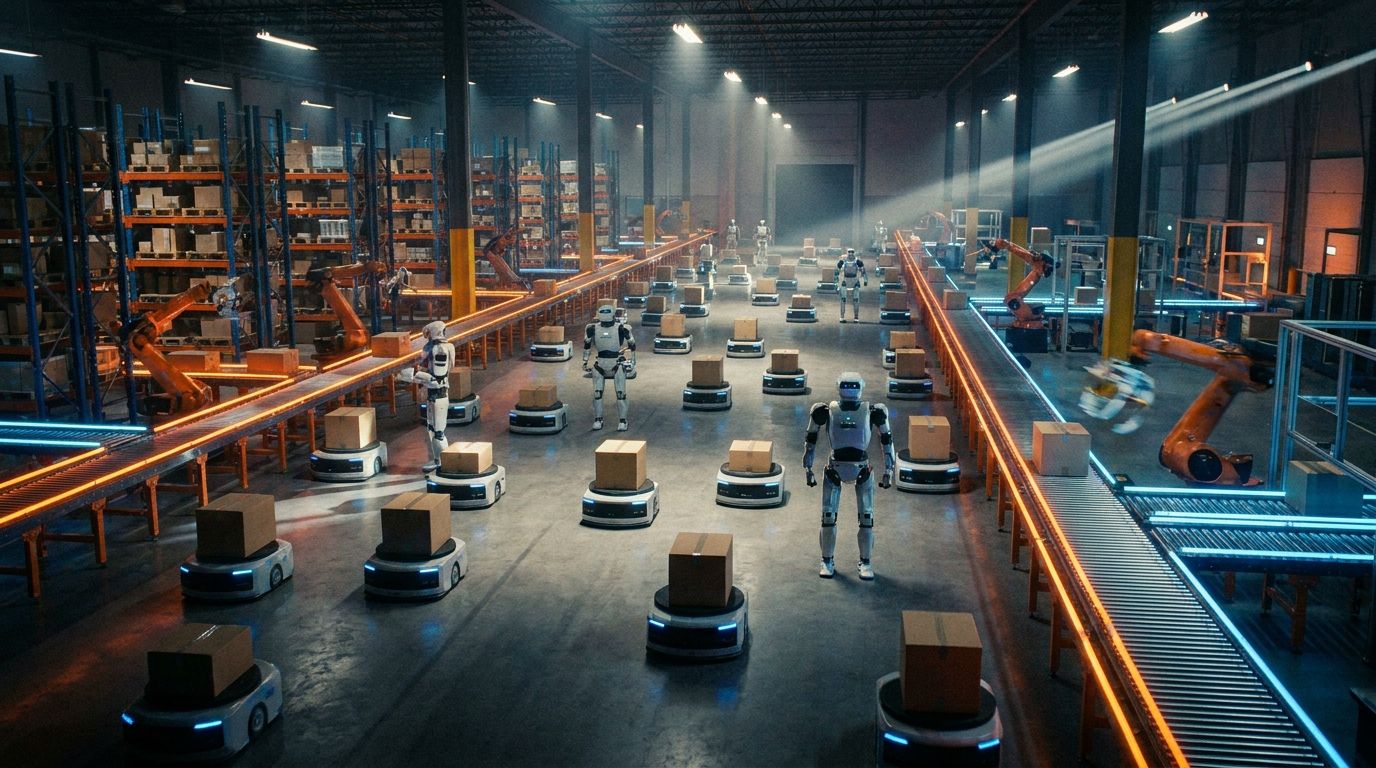
This is a sharp breakdown of Amazon’s robotics strategy. You’ve highlighted the key trade-off in each system:
Proteus solves the safety-and-navigation problem: autonomous floor movement without dedicated paths. That’s genuinely hard in chaotic warehouse environments.
Sequoia is about throughput and density — less a flashy robot, more a systemic redesign of how inventory is staged and retrieved.
Sparrow is where the technical ceiling (and risk) lies. Recognizing 65% of Amazon’s catalog is remarkable given the diversity of shapes, textures, packaging types, and deformable objects (e.g., plush toys, shrink-wrapped items, clear plastic clamshells). But you’re right — the other 35% includes precisely the items that break robotic grasping:
Highly reflective or transparent packaging
Irregular, flexible, or tangled objects
Items with no “good” grip surface
Products that look nearly identical to the vision system but differ in weight or center of mass
That 35% is why Sparrow still requires human intervention in many workflows. The real milestone won’t be when Sparrow handles 80% — it’ll be when the long tail of exceptions becomes small enough that the system operates without continuous human monitoring.
Would you like to dig into how Amazon handles that 35% (e.g., dynamic task reassignment, human-in-the-loop stations, or item redesign for robotics)?