AI NPCs Are Finally Real: How On-Device Language Models Are Ending Scripted Game Characters
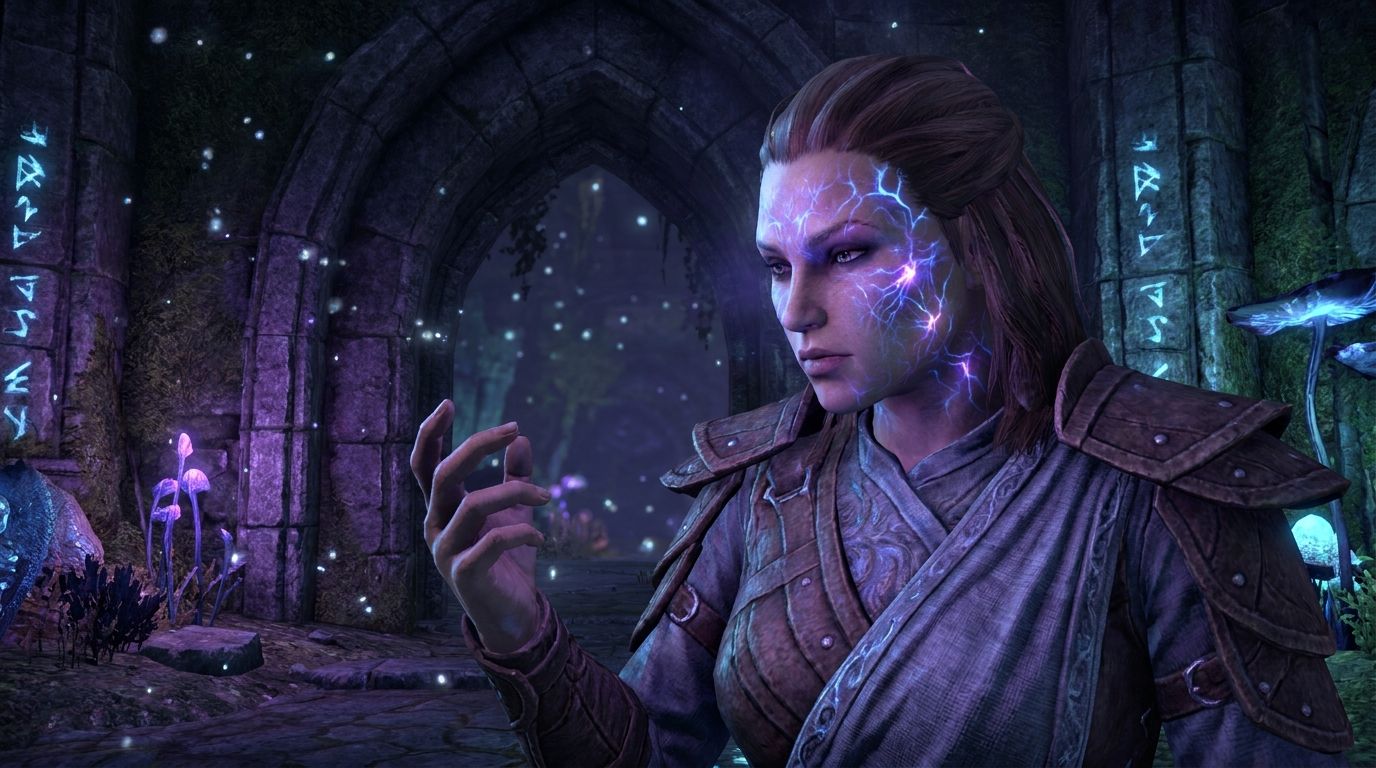
Every game released in the past thirty years has contained a fiction. The characters who populated the worlds were never truly alive -- they ran scripts, had dialogue trees, and repeated themselves. Players accepted this as a feature of the medium. In 2026, that alternative is arriving, and the contrast is uncomfortable for older game design assumptions.
The Technical Stack Behind AI Characters
An AI NPC in 2026 typically runs on several layers: speech recognition that transcribes what the player says, a language model that processes input and generates contextually appropriate response, a text-to-speech model with emotional inflection, and a facial animation model syncing lip movement and expression. NVIDIA's Audio2Face system handles the last two layers; the language layer can run on any capable model.
The key innovation is on-device inference via the NVIDIA In-Game Inferencing (NVIGI) SDK, which allows models to run directly on the player's RTX GPU rather than cloud servers. This matters for latency, cost at scale, and privacy -- conversations with game characters staying on the player's device removes a category of data sensitivity.
What Changes When NPCs Can Actually Think
PUBG: Battlegrounds is integrating Co-Playable Characters through PUBG Ally -- AI teammates with persistent memory that track what happened in previous sessions and provide strategic recommendations. inZOI is using NVIDIA ACE for Smart Zoi NPCs that adjust personality based on accumulated interactions. Total War: PHARAOH has integrated a context-aware AI Advisor that explains game mechanics in plain language based on the specific situation on the player's screen -- a feature with genuine accessibility implications.
The substantive difference is not just that NPCs feel more lifelike. It is that the player's agency in the world expands. When a character can understand novel input and respond coherently, interactions that were previously impossible become possible: negotiating outside the scripted options, discovering information through creative questioning, forming relationships that develop based on actual conversation.
The Design Problem Nobody Is Solving Yet
The same capability that makes AI NPCs interesting creates a design problem the industry has not yet solved: if a character can say anything, how does a game maintain its narrative? A story-driven game works because the developer controls the information flow. A fully open-ended NPC can potentially spoil plot points or contradict world-building. NVIDIA's Unreal Engine 5.7 pipeline enables developers to define character motivation and backstory that shapes responses without scripting individual lines. The tension between narrative control and conversational freedom is the central unsolved design problem.
Memory as the Missing Ingredient
The feature that separates a genuinely compelling AI NPC from a novelty is persistent memory. A character that remembers what you said three sessions ago, that references your shared history, that changes their relationship to you based on accumulated experience -- that is what makes an NPC feel like a relationship rather than a tool. The characters of 2026 are the early experiments. The games built around this capability in 2028 and beyond will likely feel as different from today's AI NPC implementations as today's feel from the dialogue trees of 2010.