Defense Tech Is the New Biotech — VCs Are Pouring Billions Into Military Startups
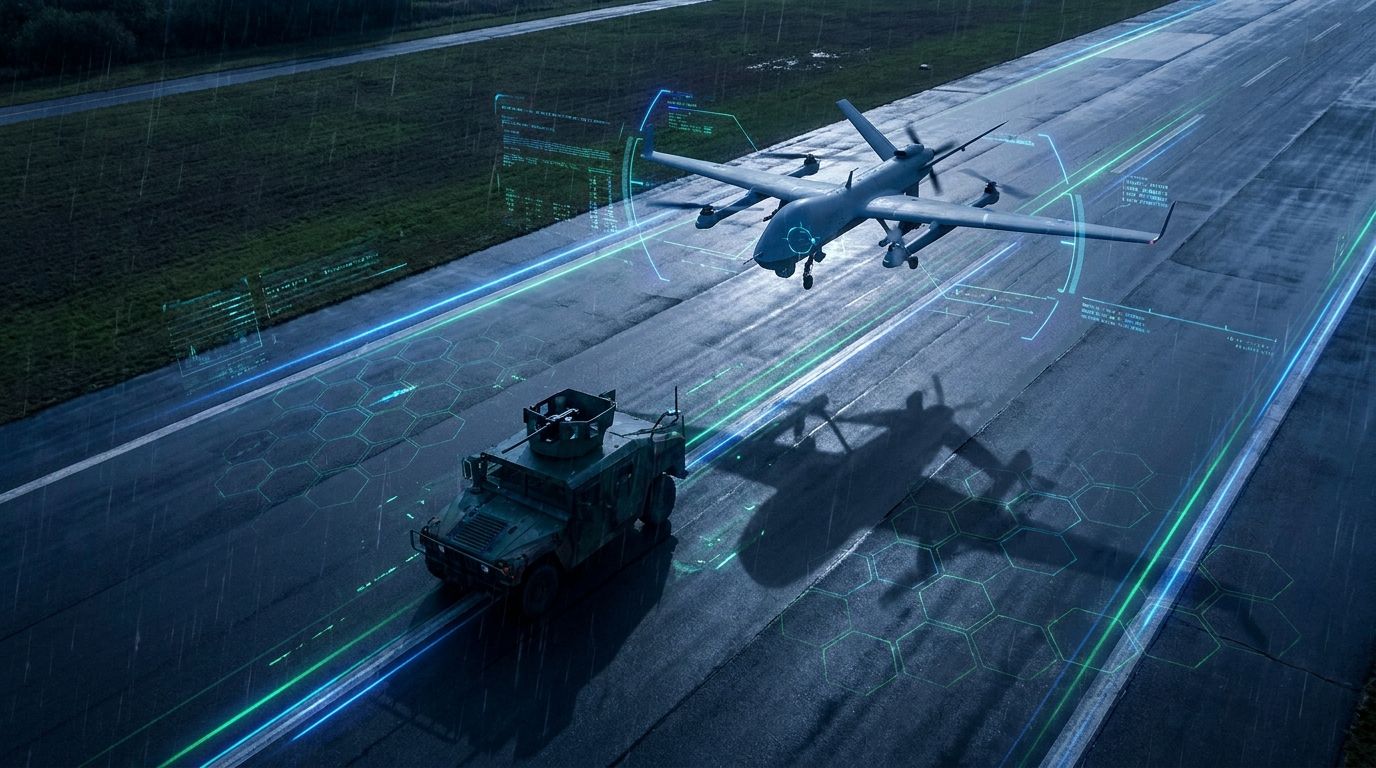
For most of Silicon Valley's history, defense was the sector serious venture capital firms avoided. The procurement cycles were too long, the customers too difficult. Palantir's early years were defined by its struggle to get the defense establishment to take software seriously. Anduril, founded in 2017, was treated as an oddity when it raised its first rounds.
That stigma has largely dissolved. Defense technology is now one of the fastest-growing venture categories in the US and Europe, attracting not just specialist defense-focused funds but mainstream Silicon Valley firms that previously had explicit policies against weapons investments.
The Numbers Behind the Shift
US defense tech venture investment crossed $30 billion in 2025, up from roughly $9 billion in 2022, according to Pitchbook and the Defense Innovation Unit. In Europe, defense tech investment has grown even faster as a percentage, from near-zero to over $5 billion annually. Anduril Industries raised $1.5 billion at a $14 billion valuation in late 2024. Shield AI raised $500 million at $5.3 billion. Epirus and Sarcos Robotics have also raised significant rounds.
Who's Writing the Checks
Andreessen Horowitz's American Dynamism fund has become the most visible institutional signal that mainstream VC has shifted on defense, backing Anduril, Hadrian, and Joby Aviation. Founders Fund has expanded into space domain awareness and electronic warfare. The most notable shift is among previously defense-averse firms: Sequoia Capital, which had explicit policies against investing in weapons manufacturers, has quietly participated in rounds for defense-adjacent AI companies. In Europe, NATO's Innovation Fund — a $1 billion vehicle backed by member states — co-invests alongside commercial VCs in European defense startups.
What's Actually Being Built
Most defense tech startups are building in three categories: software and AI for military applications, autonomous systems (drones, ground vehicles, undersea systems), and critical infrastructure security. Drone technology has attracted the most investment dollars and attention — the war in Ukraine demonstrated at scale that small, cheap autonomous drones can have decisive tactical impact. Skydio, Firestorm, and Joby are among US companies that have pivoted or expanded into defense drone programs.
The Ethics Debate Hasn't Gone Away
High-profile engineer protests at companies working on defense contracts — at Google (Project Maven), Microsoft, and Palantir — demonstrated that the workforce question is real. The ethical framework that defense tech founders most commonly articulate is a deterrence argument: that technologically superior autonomous systems reduce conflict by making attacks more costly. Critics argue that autonomous weapons systems lower the threshold for conflict and introduce unacceptable risks from software failure.
The defense tech wave is substantial enough that it's reshaping hiring markets, the culture of elite engineering programs, and what the next generation of ambitious technical founders treats as a legitimate domain.