Solid-State Batteries Are Finally Being Built: Where Toyota, Samsung, and QuantumScape Stand in 2026
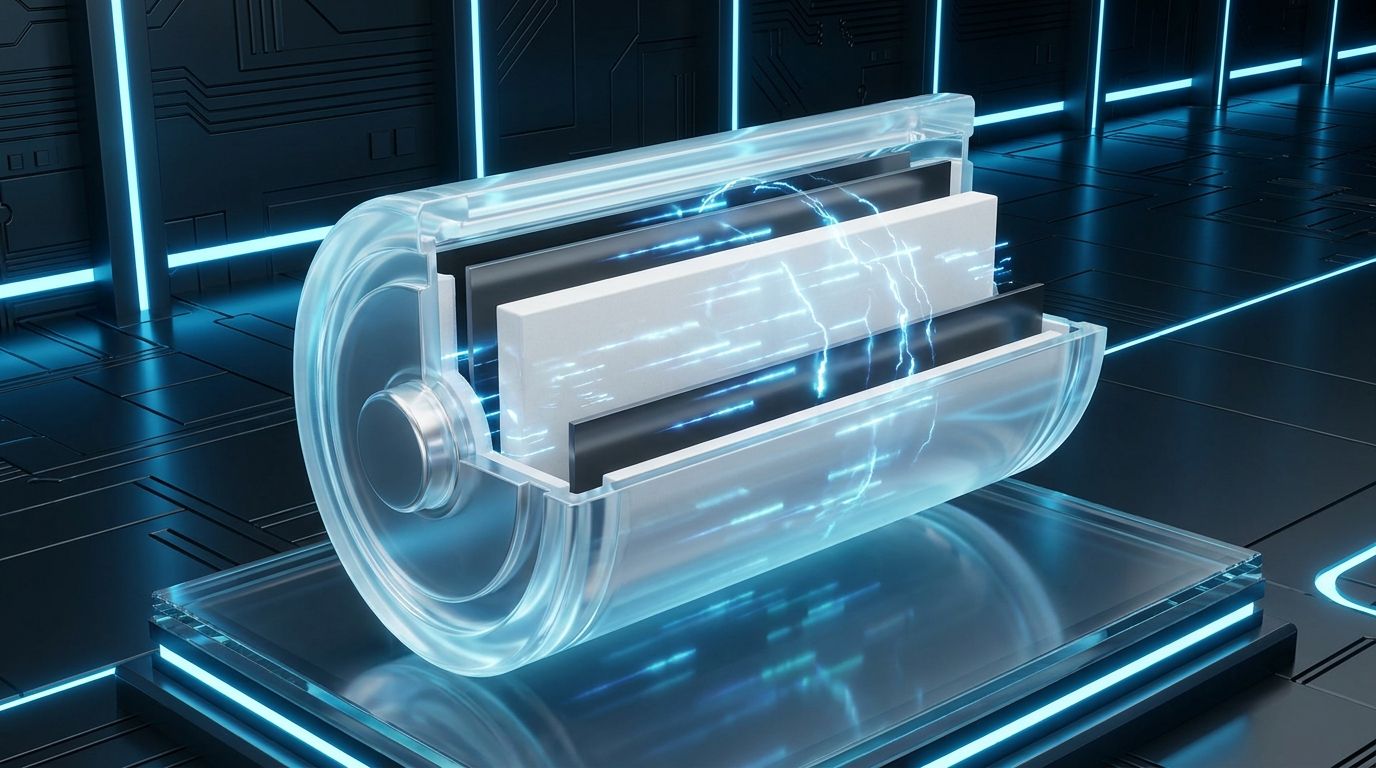
Solid-state batteries have been in a holding pattern for most of the past decade -- technically sound, commercially elusive. In 2026, something has changed. Not the fundamental physics, but the distance between laboratory validation and production line. Toyota, Samsung SDI, and QuantumScape have all hit milestones this year that move solid-state batteries from "this is coming" to "this is being built."
Why Solid-State Batteries Matter
Today's EV batteries use a liquid electrolyte -- a flammable organic solvent that carries lithium ions between electrodes. The liquid electrolyte enables fast ion transport but creates several problems: it degrades over time, it is flammable, it limits operating temperature range, and it prevents the use of lithium metal anodes, which would substantially increase energy density. Solid-state batteries replace the liquid with a solid material -- typically ceramic, polymer, or sulfide. This removes the flammability risk, improves cold-weather performance, enables higher energy density through lithium metal anodes, and in some configurations enables faster charging without degradation.
Toyota: Pilot Plant, 1,200 km Range
Toyota broke ground with Idemitsu Kosan on a large-scale solid electrolyte pilot plant in January 2026, targeting completion by end of 2027. Toyota's prototype battery pack demonstrated a projected range of 1,200 kilometers and a charging time under 10 minutes. Limited-batch EVs with solid-state batteries are targeted for 2027 or 2028. Toyota is also launching next-generation lithium-ion batteries in 2026 as a two-track strategy while solid-state manufacturing scales up.
Samsung SDI: 600 Miles, 9 Minutes, 20 Years
Samsung SDI's engineering sample specifications: 600-mile range, 9-minute charge time, 20-year lifespan, 500 Wh/kg energy density. Current high-performance lithium-ion cells achieve around 250-300 Wh/kg -- twice the energy density means roughly double the range at the same weight. Samsung has moved into pilot line production with initial batches sent to EV manufacturers for testing, mass production targeted for second half of 2027. Samsung is expected to supply all-solid-state cells to BMW for next-generation evaluation vehicles in late 2026.
QuantumScape: 1,000 Cycles, VW Partnership
QuantumScape's ceramic separator technology enables an anode-free cell design. In April 2026, the company reported its multi-layer cells completed 1,000 full charge cycles with over 95% energy retention -- a credible result for a technology where cycle life has historically been the primary failure mode. Working through Volkswagen Group's battery division PowerCo, QuantumScape targets small-batch deployment around 2027 and broader production closer to 2029-2030.
When Does This Actually Reach Consumers
Limited production vehicles in 2027-2028, meaningful volume by 2030-2032. The gap between "working cells" and "production-quality cells at automotive scale" has broken more battery promises than any fundamental chemistry failure. What is different in 2026 is that multiple well-funded organizations are making physical infrastructure investments in production, not just research. When Toyota breaks ground on an electrolyte plant and Samsung ships samples to BMW, the technology has crossed from research to industrialization. That is the transition that matters, and it is the one that is now visibly underway.