The Console Market Is Contracting — PC Gaming and Subscriptions Are Absorbing the Gap
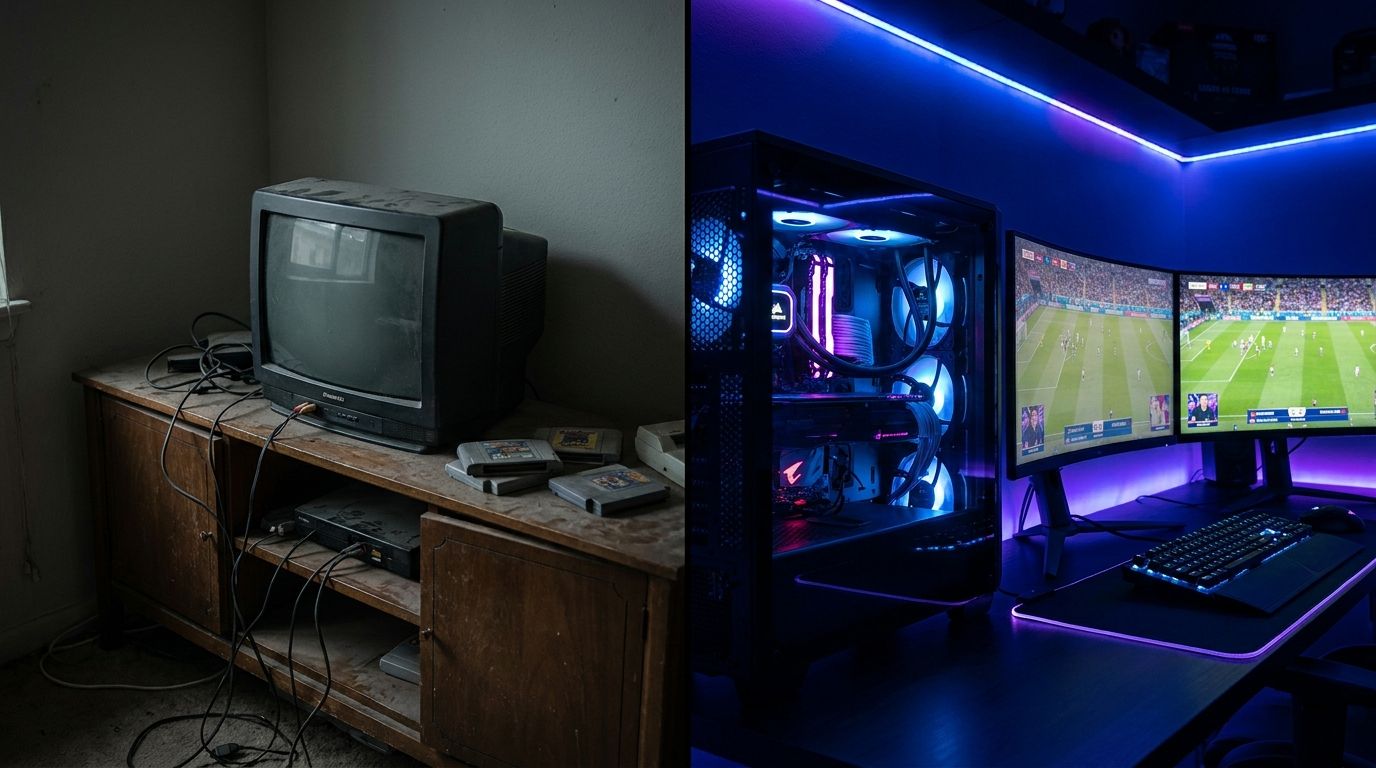
The console gaming market is shrinking. Global console hardware sales fell for the third consecutive year in 2025, with the PlayStation 5 and Xbox Series X/S both posting lower annual unit numbers than their predecessors at the same point in their life cycles. This isn't a gaming industry contraction — overall gaming revenue continues to grow. It's a structural shift in where gaming happens and how it's monetized.
Why Console Hardware Is Declining
Several forces converge. Console pricing has risen — the PS5 launched at $499 in 2020 and its successor will likely launch above that. In a cost-pressured consumer environment, the upfront hardware investment is now a considered purchase. Xbox's strategy has arguably contributed: Microsoft's decision to release first-party games simultaneously on PC via Game Pass removes the exclusivity driver that traditionally pushed hardware sales. The generational visual improvement of new hardware is also less dramatic than previous transitions — at 4K with ray tracing, "good enough" is a reasonable consumer conclusion.
PC Gaming Fills the Gap
PC gaming revenue grew 8% in 2025. Steam's monthly active users crossed 150 million. Valve's Steam Deck OLED established portable PC gaming as a real Nintendo Switch competitor. The PC gaming market benefits from upgradeable hardware, frequent game discounts, and platform flexibility. It's increasingly competitive with consoles on ease of use while offering more customization.
Subscriptions: Growth Plateau and the Content Problem
Xbox Game Pass peaked at around 34 million subscribers and has grown only marginally since. PlayStation Plus's restructured three-tier system hasn't driven significant net subscriber growth in its second year. The core tension: gaming subscriptions are constrained by development timelines and costs in ways streaming services aren't. A major first-party game costs $200-400 million and three to five years to produce. Releasing it day-one on Game Pass accelerates subscriber acquisition but may reduce unit sales revenue. With growth plateauing, the math is under pressure — and the industry response has been higher game prices, expanded live-service models, and reduced single-player game production.
Where the Industry Goes Next
The console market isn't dying — it's maturing into a more stable, smaller-growth business with a loyal core audience. The expansion phase, driven by hardware generation upgrades and demographic growth, is largely over in developed markets. The defining question for the next five years is whether cloud gaming — streaming to any device without local hardware — moves from viable to mainstream. Latency improvements and 5G penetration make it more viable in 2026 than in 2019 when it was first seriously hyped. Microsoft's xCloud, Nvidia GeForce Now, and Sony's cloud streaming all continue to invest. Whether it finds mass adoption will determine whether the console market stabilizes or continues contracting.