Blue Origin's New Glenn Rocket Explodes on the Pad During Static Fire Test
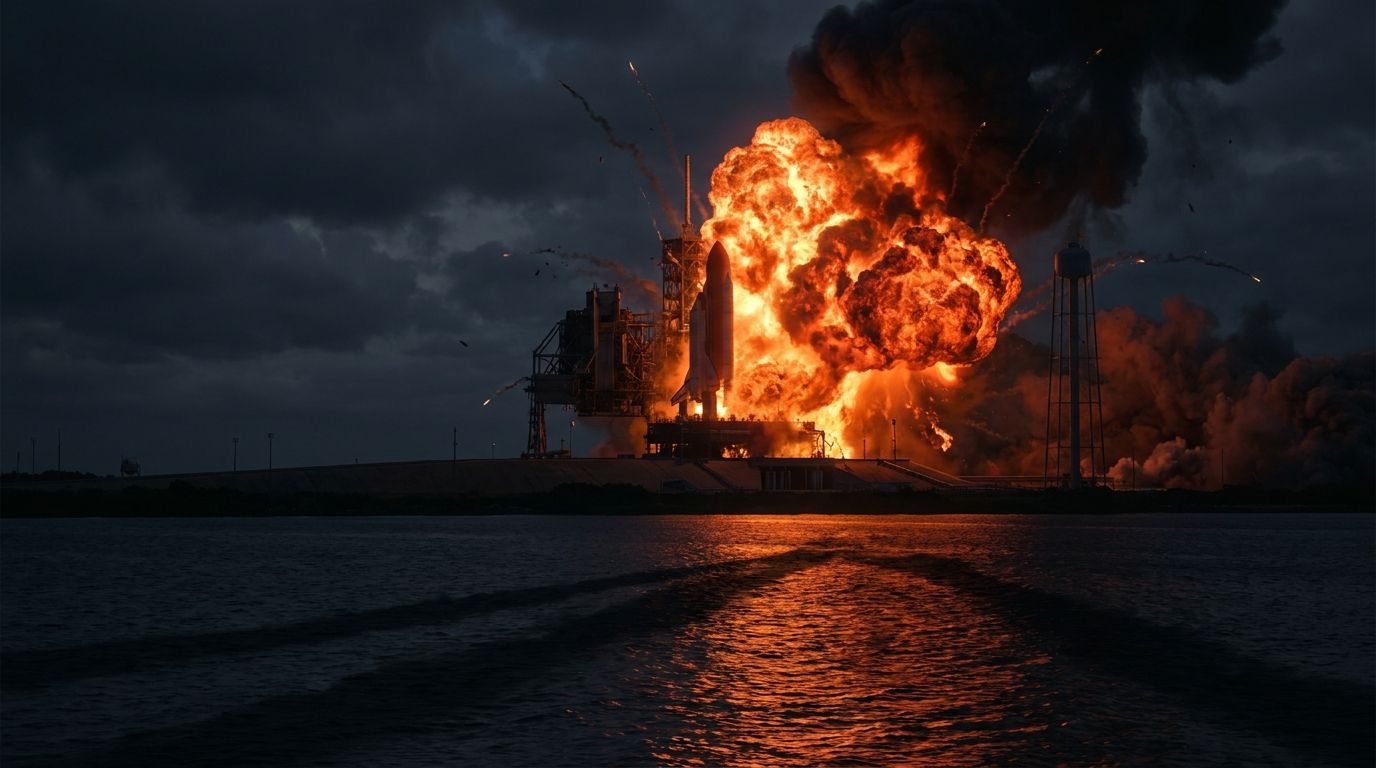
On May 28, 2026, at just before 9:00 PM Eastern time, Blue Origin's New Glenn rocket exploded on its launch pad at Cape Canaveral Space Force Station's Launch Complex 36. What was supposed to be a routine static fire test -- a ground-level engine burn to verify propulsion systems before flight -- became a catastrophic failure. The first stage was completely destroyed. The launch pad infrastructure sustained extensive damage. A fireball and mushroom cloud were visible across central Florida.
No personnel were injured. Blue Origin confirmed all staff were accounted for. But the physical and programmatic damage is severe, and the ripple effects extend well beyond the company's own launch schedule.
What Went Wrong
A full root cause investigation is underway and Blue Origin has not yet published findings. What is known is that the anomaly occurred during the static fire test itself -- a procedure that is supposed to be low-risk precisely because the rocket is bolted to the ground. The explosion destroyed not just the rocket but significant pad infrastructure at LC-36, which is currently New Glenn's only operational launch pad.
This is the second serious anomaly in New Glenn's young flight history. In April 2026, an upper stage anomaly caused a payload satellite to be deployed into an unsustainably low orbit. The May 28 explosion raises larger questions about the first stage propulsion system and ground test procedures.
The Artemis Connection
The most consequential downstream effect is on NASA's Artemis program. NASA has contracted with Blue Origin to launch the Blue Moon lunar lander -- first the uncrewed cargo variant, then a version capable of carrying astronauts to the lunar surface. With LC-36 damaged and the only available New Glenn first stage destroyed, the timeline for Blue Moon's certification and delivery to the Moon is now under review.
Independent analysts tracking the program note that LC-36 damage could require many months to repair before launch operations can resume. Any delay to the Blue Moon cargo mission cascades into delays for the crewed landing mission. The Artemis program has already faced multiple schedule slips; this adds another significant variable.
What Blue Origin Said
Jeff Bezos acknowledged the incident publicly, calling it "a very rough day" and committing the company to determining the root cause and rebuilding. What that message cannot do is shortcut the investigation timeline or accelerate reconstruction of the pad infrastructure. Rebuilding LC-36 and manufacturing a replacement New Glenn first stage represents a substantial capital expenditure on top of existing development costs.
Context: Commercial Launch Competition
The explosion comes at a moment when New Glenn was beginning to establish itself as a credible heavy-lift competitor to SpaceX's Falcon 9 and Falcon Heavy. The explosion resets much of that momentum. SpaceX will benefit operationally in the near term from reduced competition for heavy-lift launch contracts. Blue Origin has proven it can recover from setbacks -- New Shepard's anomaly in 2022 was followed by a successful return to flight. The scale of this challenge is considerably larger, but the next chapter will depend on what the investigation finds and how quickly the company can translate that finding into corrective action.
Originally reported by Space.com. Read the original article for additional details.
View original source