Qualcomm's Snapdragon C brings ARM and an NPU to $300 Windows laptops
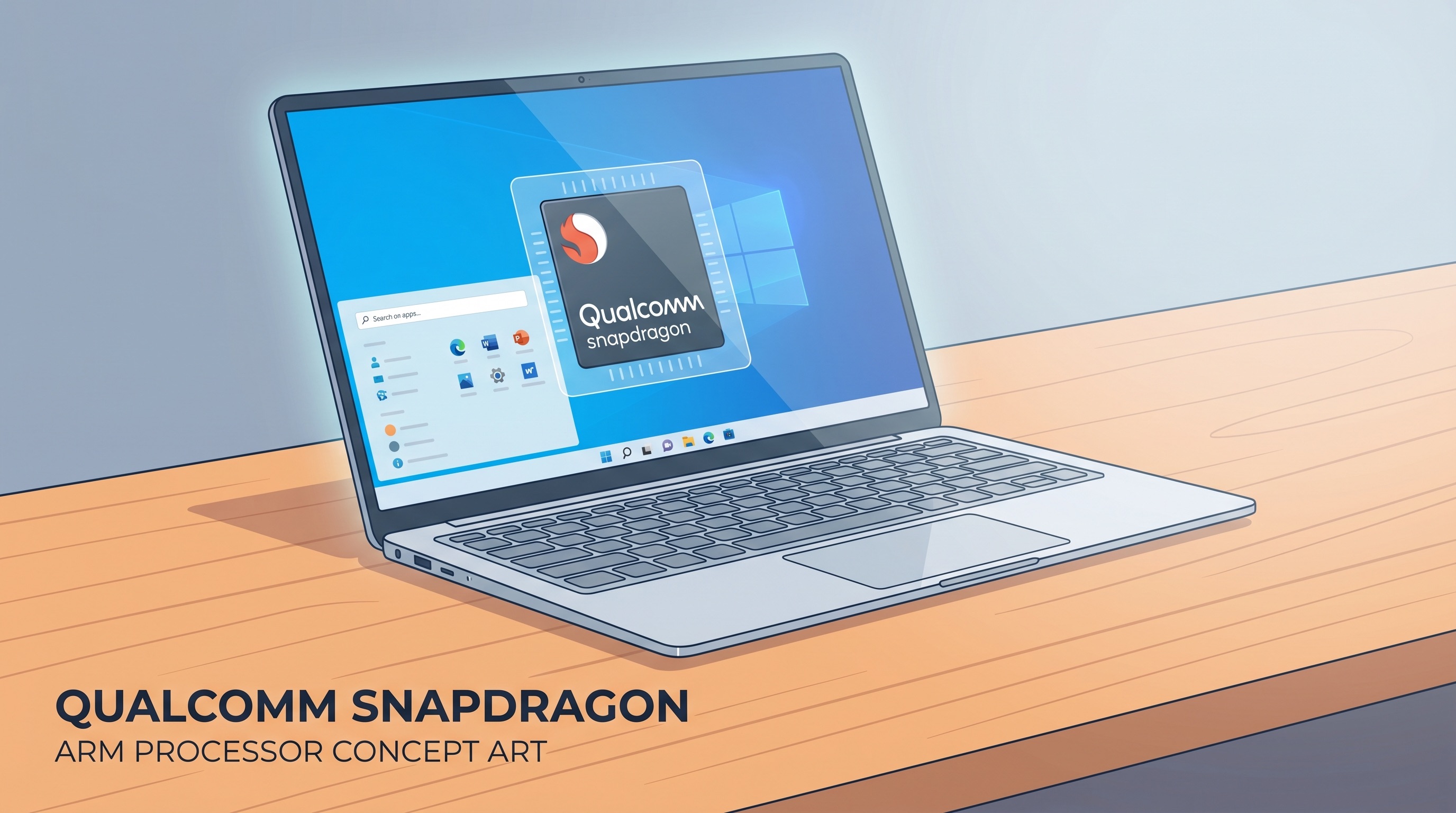
Qualcomm unveiled its Snapdragon C platform on Thursday ahead of Computex 2026, targeting Windows 11 ARM laptops starting at around $300. The announcement is the company's most direct push into the budget laptop segment, where Chromebooks have held dominant market share for a decade and Apple is reportedly preparing its own low-cost MacBook Neo.
What Snapdragon C actually is
The Snapdragon C is not a downclocked version of the Oryon-core Snapdragon X series that powers the premium Surface and MacBook-competing Windows laptops. Qualcomm built it on a custom variant of the Kryo architecture, derived from its mobile phone chip lineup — a more power-efficient design that prioritizes battery life and thermal headroom over peak compute performance.
The chip includes an integrated NPU for local AI workloads. That is notable for this price tier: until now, NPUs have been a premium feature. However, Qualcomm has confirmed that Snapdragon C will not support the full Copilot+ feature set that Microsoft requires for its AI-enhanced Windows features. The chip meets the baseline NPU threshold (40 TOPS) but Copilot+ certification requires additional criteria that Snapdragon C does not clear.
First devices confirmed
Acer has already announced the Aspire Go 15 as one of the first Snapdragon C laptops, configured with 8GB of RAM and 512GB of storage. HP and Lenovo are also expected to ship devices on the platform. Full pricing and specifications from all three will be revealed at Qualcomm's Computex 2026 keynote.
Qualcomm says Snapdragon C targets everyday workloads: web browsing, video streaming, and productivity — with emphasis on all-day battery life and silent, fanless operation. Those claims echo the promises made for earlier Windows on ARM chips, some of which underdelivered on application compatibility.
The context: can ARM avoid its budget-tier mistakes?
Windows on ARM has a complicated history in the value segment. The Snapdragon 8cx chips that powered $700–$900 devices in 2020–2021 offered poor app compatibility and disappointing emulation performance. The Snapdragon X Elite and X Plus corrected those problems at the premium tier in 2024, but that fix relied heavily on Qualcomm's Oryon cores — which Snapdragon C does not use.
The critical variable will be x86 emulation performance. If Snapdragon C can run Chromium-based browsers, Office, and mainstream consumer apps at responsive speed, it becomes a genuine Chromebook alternative. If emulation introduces meaningful lag, users will notice — especially against Chromebooks, which avoid the emulation problem entirely.
App compatibility has improved significantly since 2021 thanks to Microsoft's ARM64EC framework and the growing number of natively compiled Windows ARM apps. Qualcomm will likely lean on that progress during its keynote. The real-world verdict, though, will come from reviews after devices ship — Qualcomm says to expect them later in 2026.
Originally reported by Qualcomm. Read the original article for additional details.
View original source