Ferrari enters the EV era with the Luce, a four-door sedan designed by Apple's Jony Ive
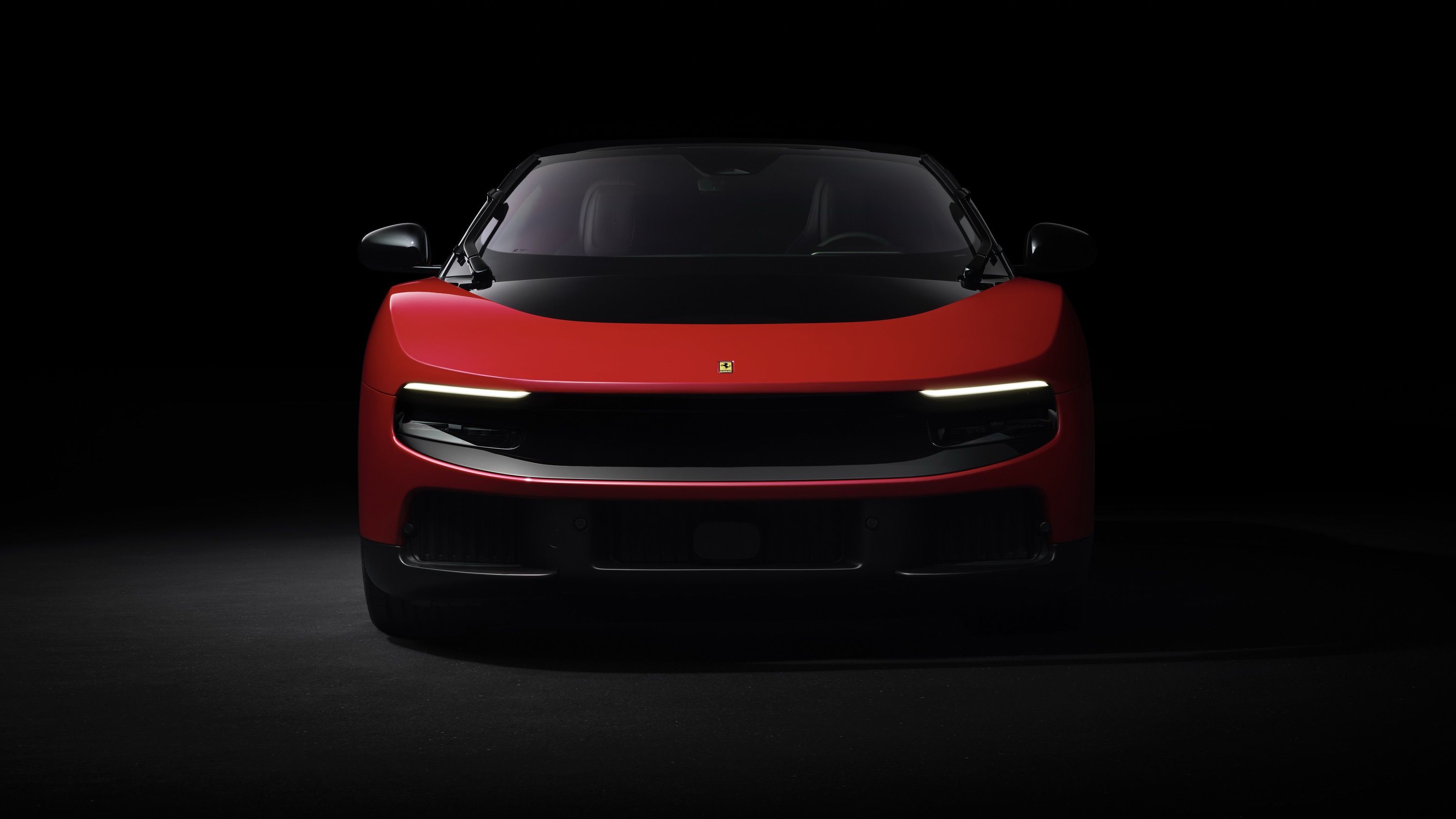
Ferrari has officially entered the electric age. On May 26, 2026, the Italian marque unveiled the Luce, its first-ever battery electric vehicle — and in doing so, broke with nearly every convention it has held sacred for nearly eight decades. The Luce is not just Ferrari's first BEV; it is also the company's first four-door sedan and first five-seater, a car that would have seemed unthinkable from Maranello just a few years ago.
Designed by the minds behind the iPhone
The Luce was conceived by LoveFrom, the design studio founded by Jony Ive and Marc Newson — the pair responsible for much of Apple's visual identity over two decades. The result is a car that has already divided opinion. Its exterior draws on the rounded taillights of '90s Ferraris like the 360 and 550, and echoes the futuristic lines of the Lotus Etna concept, but reviewers note the overall silhouette is polarizing. The interior, however, is another matter entirely: Ars Technica describes it as possibly the best interior of any car in 2026. A dashboard machined from a single piece of brushed aluminum spans the cabin, while a pivot-mounted infotainment screen adds a sculptural, almost architectural quality to the cockpit.
Engineering rigor beneath the skin
Ferrari's engineers did not treat the Luce's aerodynamics as an afterthought. The development program involved 6,000 CFD simulations and more than 300 hours of wind tunnel testing — numbers that reflect the brand's Formula 1 DNA applied to a road car with real-world efficiency targets. The wheels are machined from single pieces of aluminum, functioning as aerodiscs that reduce drag while maintaining Ferrari's insistence on visual drama.
Range and efficiency
Ferrari is targeting a range of 330 miles (530 km) WLTP in efficiency mode — a figure competitive with premium rivals such as the Porsche Taycan and the upcoming Lamborghini EV. That target, if achieved, would put the Luce squarely in contention for long-distance grand touring, the use case Ferrari's clientele arguably values most.
Why now, and why electric?
The honest answer is regulation. Ferrari publicly acknowledged that emissions requirements in China and California — two of the world's most important luxury car markets — made a full BEV strategically necessary. But the company appears to have used that constraint as creative fuel. Rather than producing a reluctant compliance car, Ferrari handed the brief to two of the most celebrated product designers alive and gave its engineers an open mandate on aerodynamics.
The move puts Ferrari in a cohort that now includes Porsche (Taycan), Aston Martin (with its upcoming electric GT), and Lamborghini (which has committed to a BEV by the end of the decade). The luxury performance segment is electrifying faster than mainstream observers anticipated, and the Luce signals that even the most tradition-bound names in motorsport are adapting.
Whether the Luce's exterior wins over Ferrari purists remains to be seen. But as a statement of intent — and as a demonstration that an EV interior can rival the finest analogue cabins ever built — it marks a genuine turning point for one of the most storied nameplates in automotive history.
Originally reported by Ars Technica. Read the original article for additional details.
View original source