Dentro da Revolução dos Robôs de Armazém: O Que Realmente Funciona na Logística Automatizada
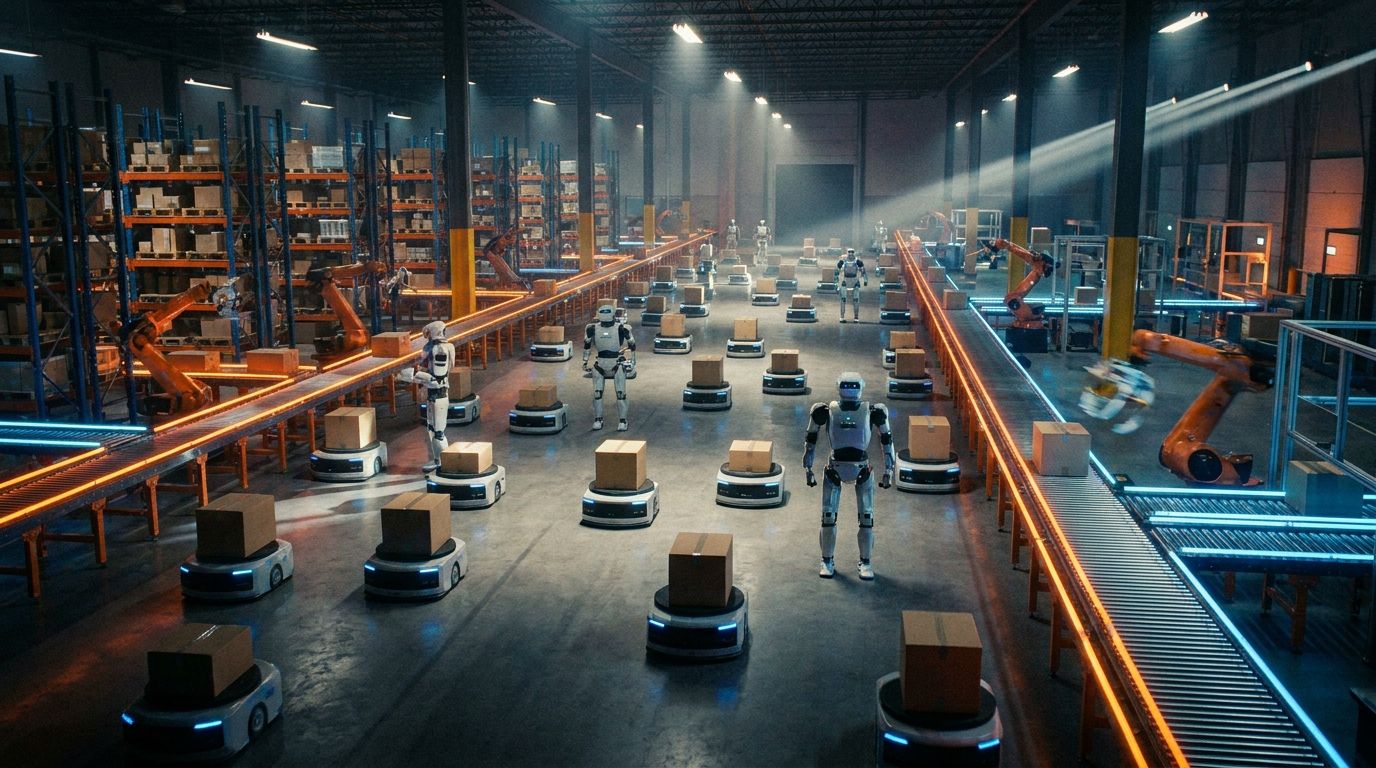
Based on this continuation of the text, here are the key economic realities and limitations of warehouse robotics:
The Economics: Honest Math
Cost comparison:
Digit humanoid: ~$250,000 per unit
Human warehouse picker (US): ~$40,000 fully loaded (including benefits, training, turnover, overhead)
Payback period: ~5–7 years for a robot working three shifts without breaks, sick days, or overtime premiums.
Critical caveats: That math assumes the robot reliably performs the task, has predictable maintenance costs, and doesn't become obsolete before recovering the investment.
Current defensibility:
Mature AMR systems: Assumptions are "increasingly defensible"
Humanoids & advanced picking arms: Remain "speculative"
Barrier for mid-size operators: The upfront capital requirement is significant for operators who cannot access the financing that Amazon or DHL can.
What Robots Still Cannot Do Well Challenge Specific Examples Irregular and fragile items Fresh produce, glassware, oddly shaped goods, items with inconsistent packaging New SKU onboarding Introducing new products often requires retraining or manual programming (humans learn in seconds) Human-designed spaces Stairs, tight corners, loading dock ramps, general chaos of real warehouse floors Key Takeaway
The passage emphasizes that while the collaborative AMR model is "working at scale right now," the more ambitious humanoid and advanced picking systems face speculative economics and persistent technical gaps—particularly with irregular items, new products, and imperfect real-world environments.