As model quality starts to converge, enterprises are discovering that the next big AI advantage is not just a better model. It is a better inference stack, where prompt caching, exact-prefix discipline, and context compression cut latency and cost before teams reach for more GPUs.
Synthetic Aperture Radar (SAR) constellations are transforming Earth observation from an episodic data source into a persistent, operational infrastructure layer, providing 24/7, all-weather monitoring.
WebAssembly is evolving beyond browser performance demos. The new component model, coupled with WASI and WIT, is transforming how developers build, share, and run cross-language modules, making plugins and polyglot runtimes truly portable and interoperable across diverse environments.
Bidirectional EV charging, encompassing V2H and V2G, is rapidly evolving from a niche concept to a critical buying criterion. Driven by volatile energy prices, grid instability, and the desire for energy independence, major automakers are now integrating these capabilities into mainstream models. This article explores the distinctions between V2L, V2H, and V2G, highlights industry momentum from players like BMW, Ford, and GM, and outlines the essential ecosystem beyond the car itself. Crucially, it provides actionable insights into when bidirectional charging truly matters for buyers, distinguishing practical benefits from mere brochureware in a rapidly changing energy landscape.
California's Delete Act and its Data broker Registry Opt-Out Program (DROP) mark a pivotal shift in privacy compliance. No longer just about abstract rights or banner pop-ups, privacy is now demanding robust, operational backend infrastructure for data deletion, transforming a consumer right into a recurring, auditable pipeline across hundreds of data brokers.
The most important shift in robotics is no longer just better hardware. Vision-language-action models are emerging as the software layer that could make robots easier to train, instruct, and deploy across messy real-world environments.
Tender offers are turning startup liquidity into an ongoing company function instead of a single IPO-era event. That shift is changing how employees, founders, and investors think about equity.
Competitive PC games increasingly depend on deeply privileged anti-cheat software. The real debate is no longer whether cheating is bad, but how much system access players should surrender in exchange for fair play.
AI protein design is moving beyond benchmark theater and into real experimental workflows. The next big question is whether computational biology can keep producing molecules that survive the wet lab.
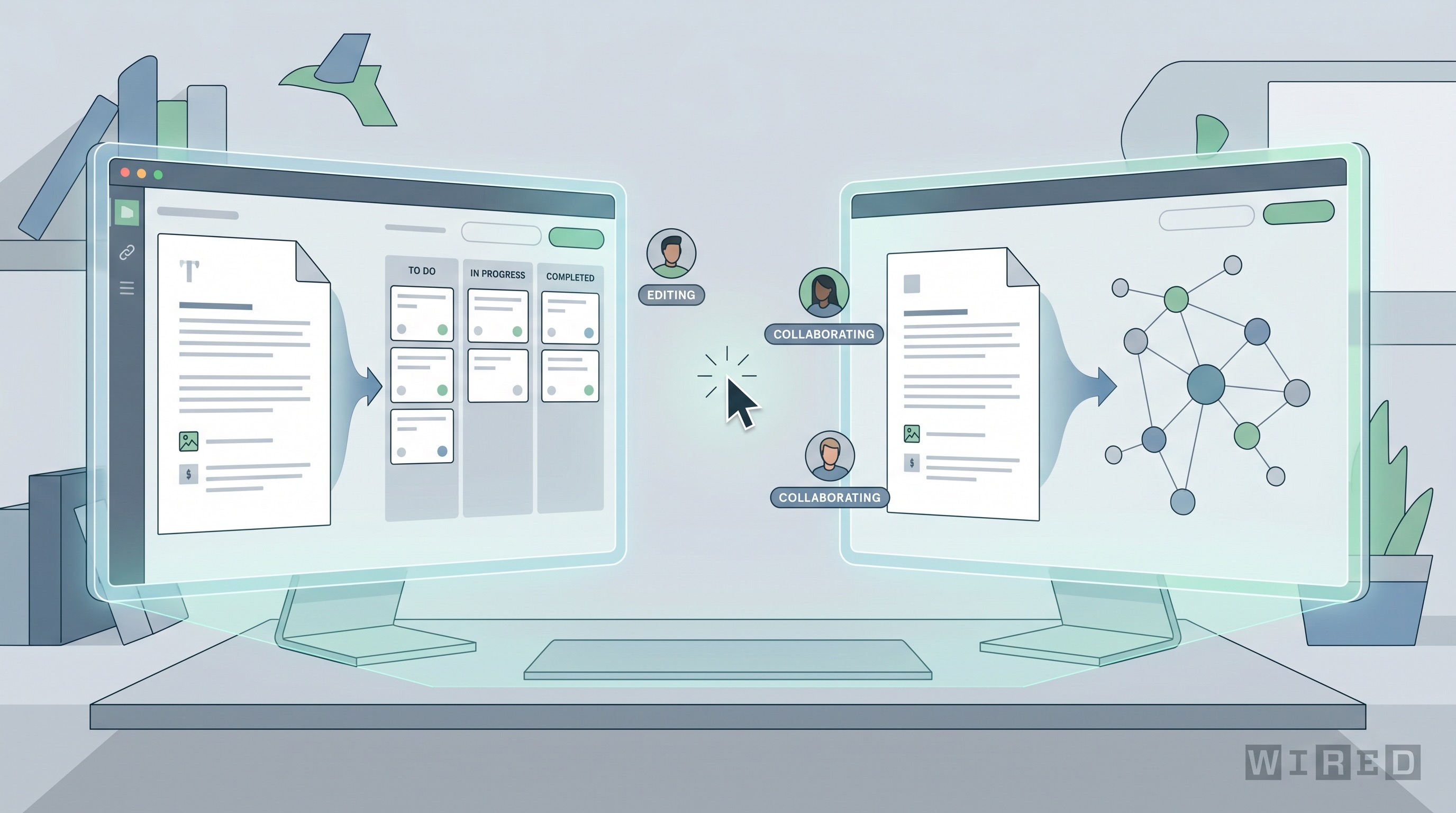
Documents used to be where work was recorded after the fact. AI-native editors from Notion, Google, and Microsoft are turning the document itself into the place where research, coordination, and execution begin.
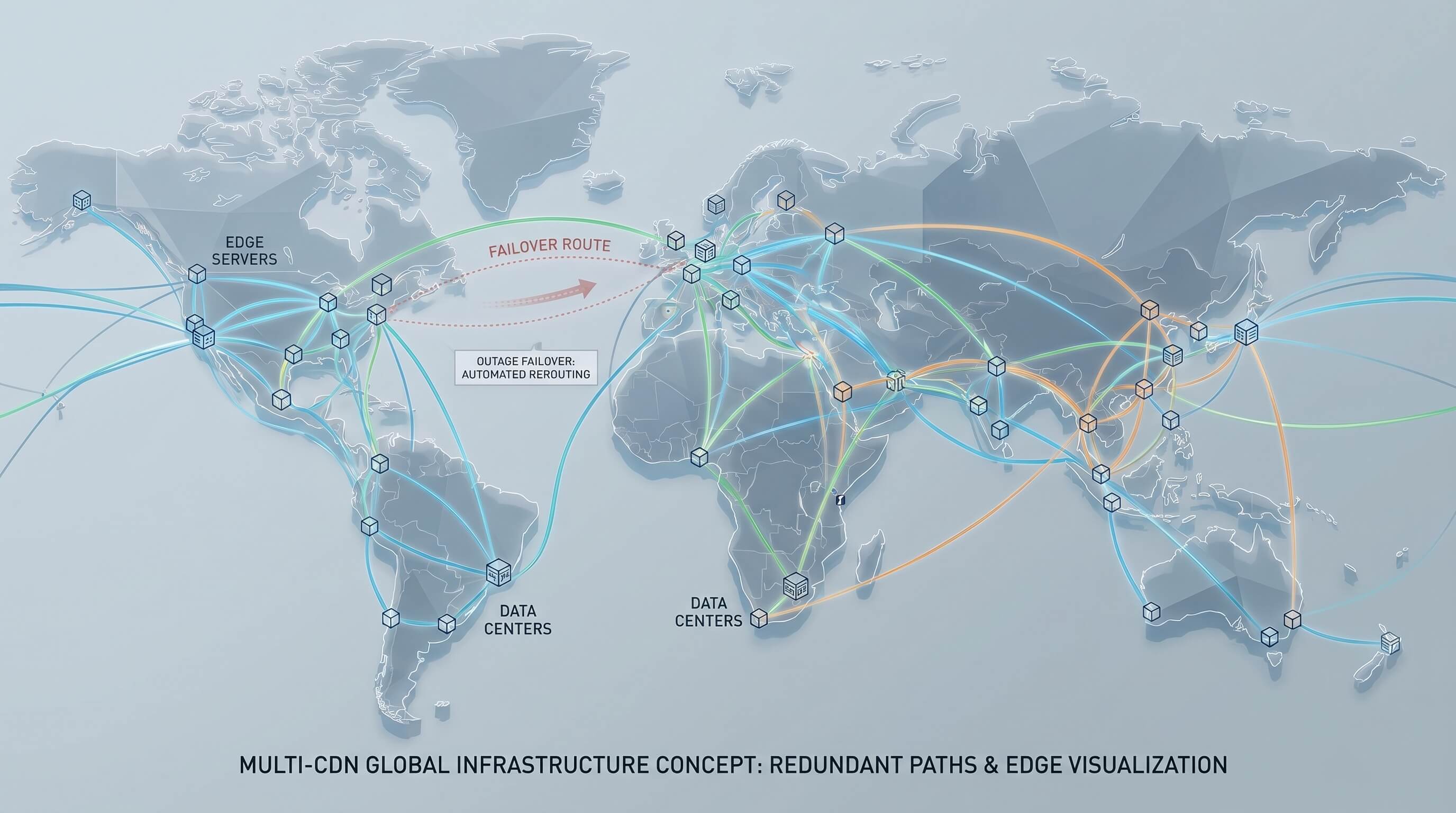
Enterprises used to treat multi-CDN as a premium architecture choice. After a year of DNS mishaps, cloud outages, and AI-driven traffic spikes, it is starting to look like table stakes.
For travelers, staying connected used to mean hunting for plastic SIM cards or overpaying for roaming. In 2026, eSIM is pushing mobile connectivity toward a more software-defined experience, with better switching, faster setup, and new tradeoffs around carrier locks and trust.